
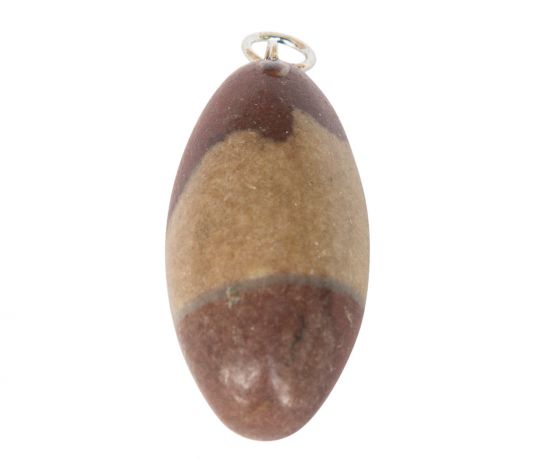
Description
In Hinduism, a lingam (Sanskrit: लिङ्गं) is a phallic-shaped, elongated object, usually a small pillar or column, that represents the creative power of the god Shiva. Lingams are almost always made of stone. During a ritual, milk or water is poured over the lingam. Flowers are then placed on top. Many lingams have a yoni, a rim around the lingam that collects the offered fluids. The yoni then represents the feminine, while the lingam represents the masculine. Some lingams depict the face of Shiva. This is called an "ekamukha-lingam." A lingam with four faces is called a "chaturmukha-lingam." These four faces symbolize the four aspects of Shiva. A number of naturally formed lingams can be found in India. A well-known example is an icicle that grows every winter in the Amarnath Cave in Kashmir. Thousands of pilgrims visit the cave annually. The lingam may have been worshipped in India even before the rise of Shaivism (the cult in which Shiva is considered the primary deity). Although lingams play no role in Buddhism, stupas built by Buddhists in caves have been used by Shaivists as lingams after they were abandoned. This is the case in several caves in the Indian state of Maharashtra. According to legend, a saint named Bhrigu once had to wait too long for Shiva because he was making love to Parvati. After waiting for years, the saint supposedly finally uttered a curse, which meant that Shiva would henceforth be worshipped as his own penis


