
Description
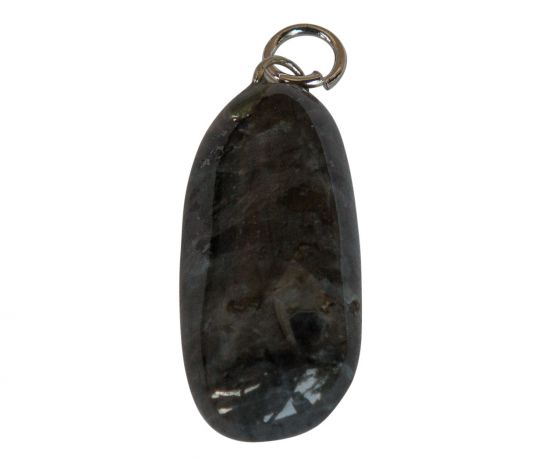
Larvikite is an igneous rock containing a lot of plagioclase, primarily in flaky form. This gives the rock a characteristic blue-gray sheen and a "shiny" appearance when polished, although this is not caused by micaceous materials. Larvikite is an igneous rock containing a lot of plagioclase, primarily in flaky form. This gives the rock a characteristic blue-gray sheen and a "shiny" appearance when polished, although this is not caused by micaceous materials. The rock larvikite is named after the place where it was first described: Larvik, Norway. Larvikite is primarily known from the Oslo region, an area in southern Norway where Larvik is also located. The area consists of a complex of igneous rocks, primarily monzonite. The volcanism that formed this complex has been dated to the early Permian (297–292 Ma) using the U-Pb method. It is suspected that the magmatic activity in the area is related to the opening of the present-day North Sea, a rift basin that ultimately did not lead to ocean formation (a so-called failed rift). Because of its shiny appearance in polished form, larvikite is often used as a natural stone for (shop) facades, countertops, and other decorative elements.


