
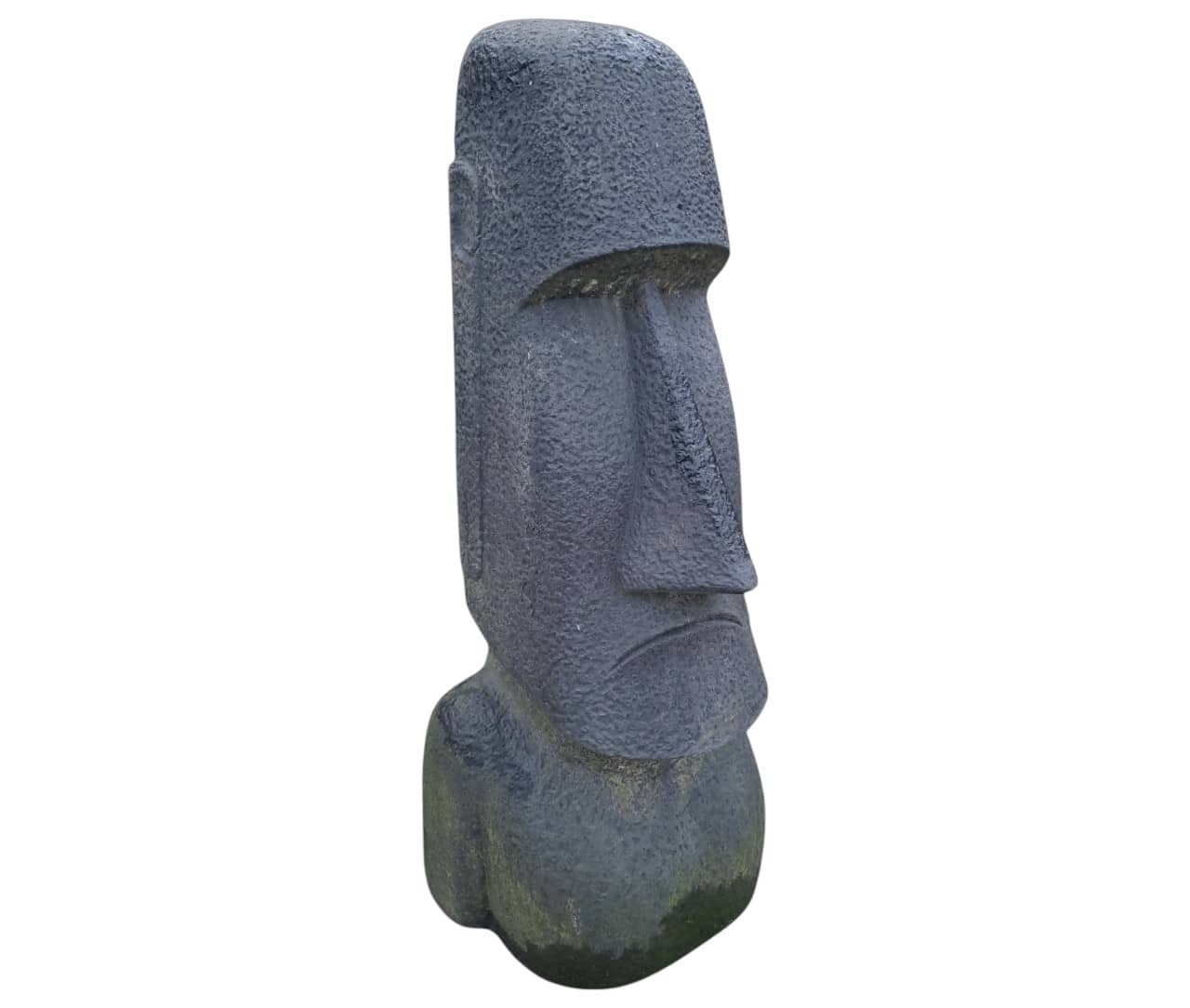
Description
Easter Island (Spanish: Isla de Pascua; Rapa Nui: Rapa Nui) is a Polynesian island in the Pacific Ocean. Politically, it is a province of Chile within the Valparaíso Region. The Chilean governor of the island is Melania Carolina Hotu Hey. The capital of Easter Island is Hanga Roa. The island is best known for its hundreds of Moai (Easter Island statues). At 163.6 square kilometers, the island is roughly the same size as the Dutch Wadden Island of Texel (170 km²). It has a population of 5,761 (2012). It is one of the most isolated islands in the world: the nearest inhabited island, Pitcairn, is 2,075 km away. The name Paaseiland ("Easter Island") was given by Jacob Roggeveen, who arrived on Easter Sunday, April 5, 1722, with three ships. Rapa Nui literally means "The Great Rock" in Polynesian (rapa: rock, nui: big). The island was called this name by sailors from Tahitians around 1863. Today, the island's inhabitants use it to refer to the island itself, their language, and their own people (Rapa Nui). Another indigenous name for the island is "Mata ki te rani," or "Eyes that look to the sky" (mata: eyes, ki: that, te: look, rani: sky). This name refers to the ancestral statues, or moai, with their peculiar eye sockets that are indeed angled toward the sky. Another name the original inhabitants gave their island was Te pito o te henua, meaning "The Navel of the World." According to several legends, the island's first name was "Te pito o te kainga a Hau Maka," meaning "The Little Piece of Land of Hau Maka.".


