
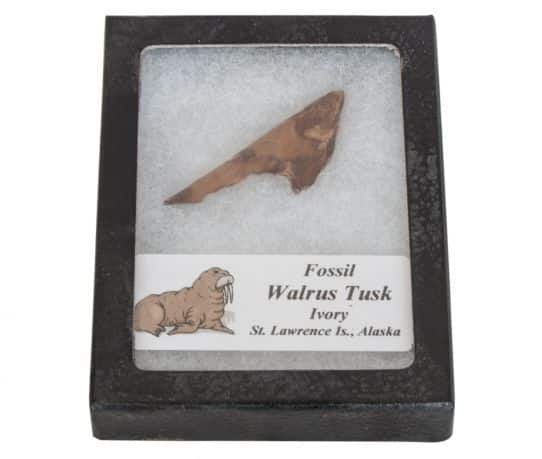
Description
The walrus (Odobenus rosmarus) is a large, broad-backed marine mammal with a discontinuous distribution throughout the Arctic Ocean and subarctic seas of the Northern Hemisphere. The walrus is the only living species in the Odobenidae family and the Odobenus genus. This species is divided into three subspecies: the Atlantic walrus (O. r. rosmarus) inhabiting the Atlantic Ocean, the Pacific walrus (O. r. divergens) inhabiting the Pacific Ocean, and O. r. laptevi, inhabiting the Laptev Sea of the Arctic Ocean. Adult walruses are easily recognized by their prominent tusks, whiskers, and bulk. Mature males in the Pacific Ocean can weigh over 2,000 kg (4,400 lb) and, among pinnipeds, are exceeded only by the two elephant species. Walruses typically live in shallow waters above continental shelves and spend significant portions of their lives on the sea ice, searching for benthic bivalve mollusks to eat. Walruses are relatively long-lived, social animals and are considered a "keystone species" in the Arctic marine environment. The walrus has played a prominent role in the cultures of many indigenous Arctic peoples, who hunted it for its meat, fat, hide, tusks, and bone. During the 19th and early 20th centuries, walruses were hunted and killed extensively for their blubber, walrus ivory, and meat. The walrus population declined rapidly around the Arctic. It has since recovered somewhat, although the Atlantic and Laptev walrus populations remain fragmented and at low levels compared to pre-human times.


