
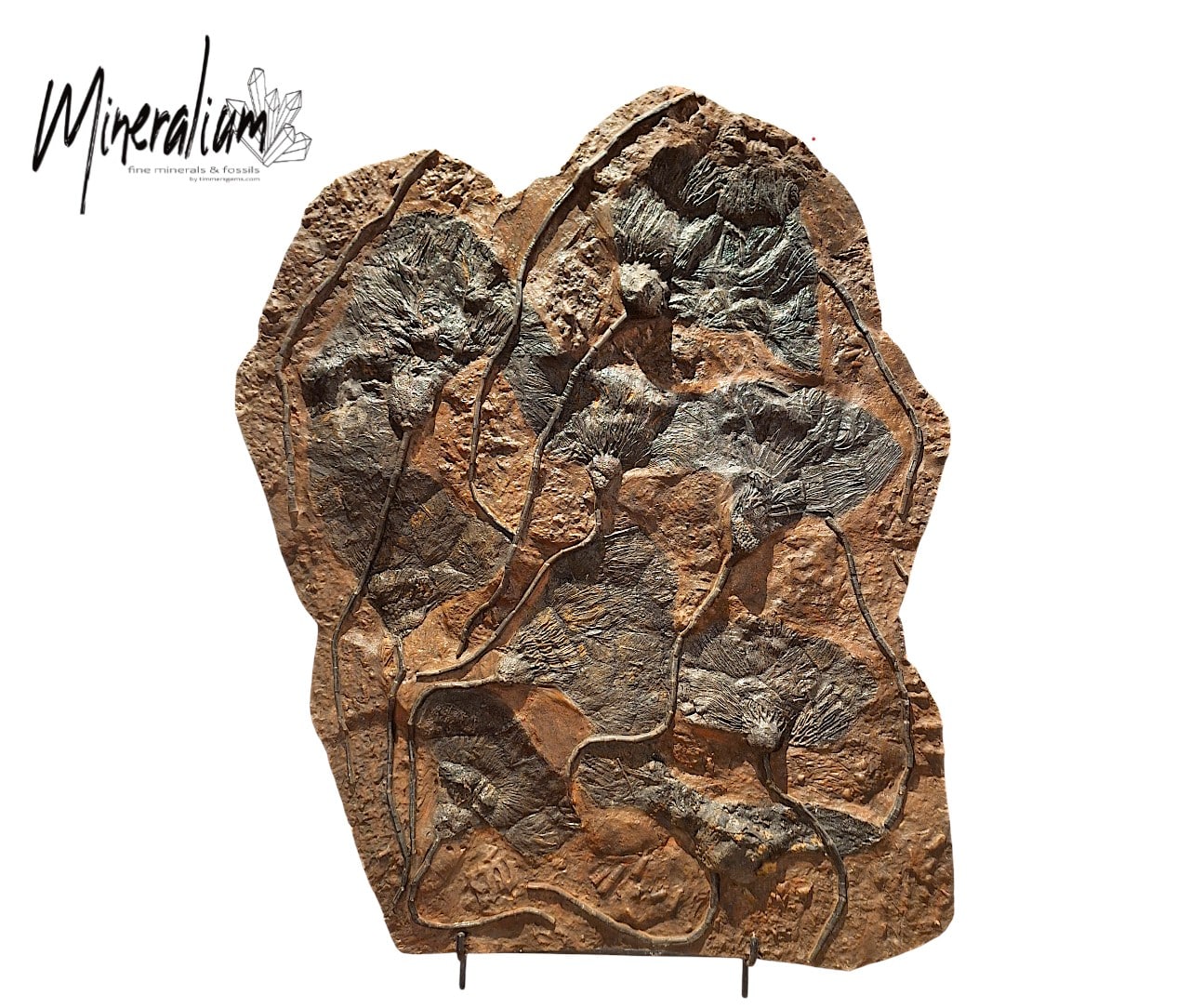
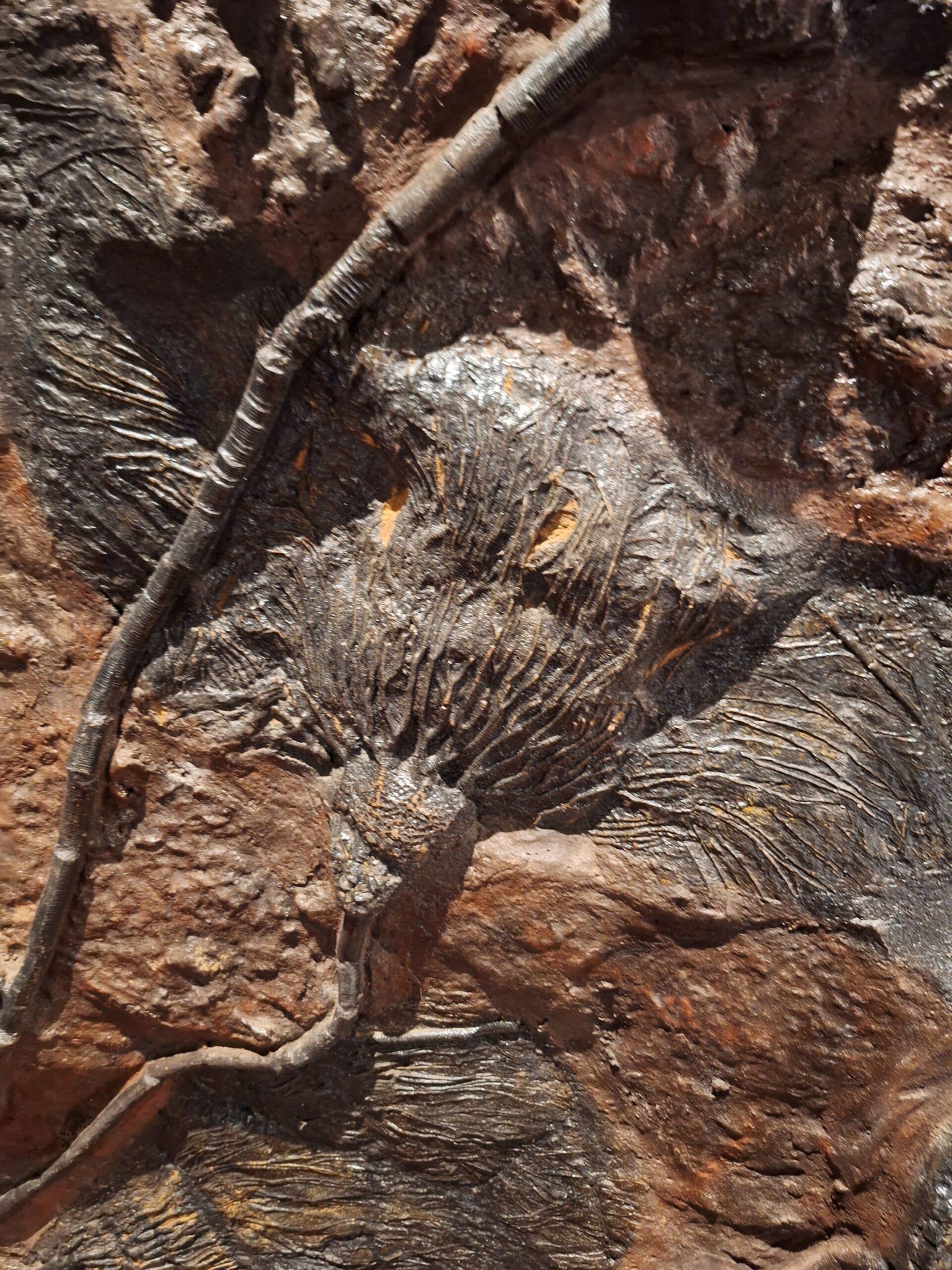
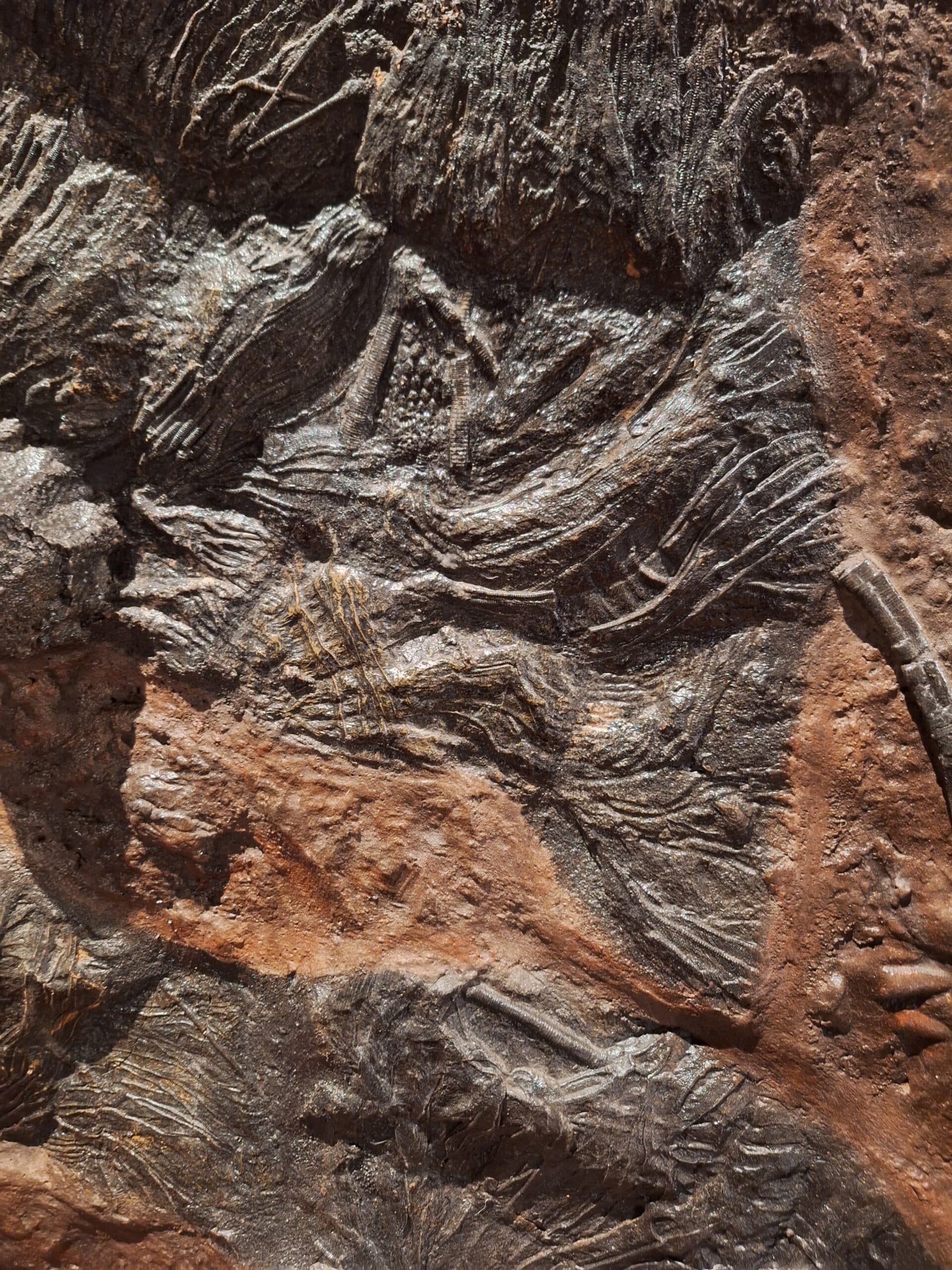
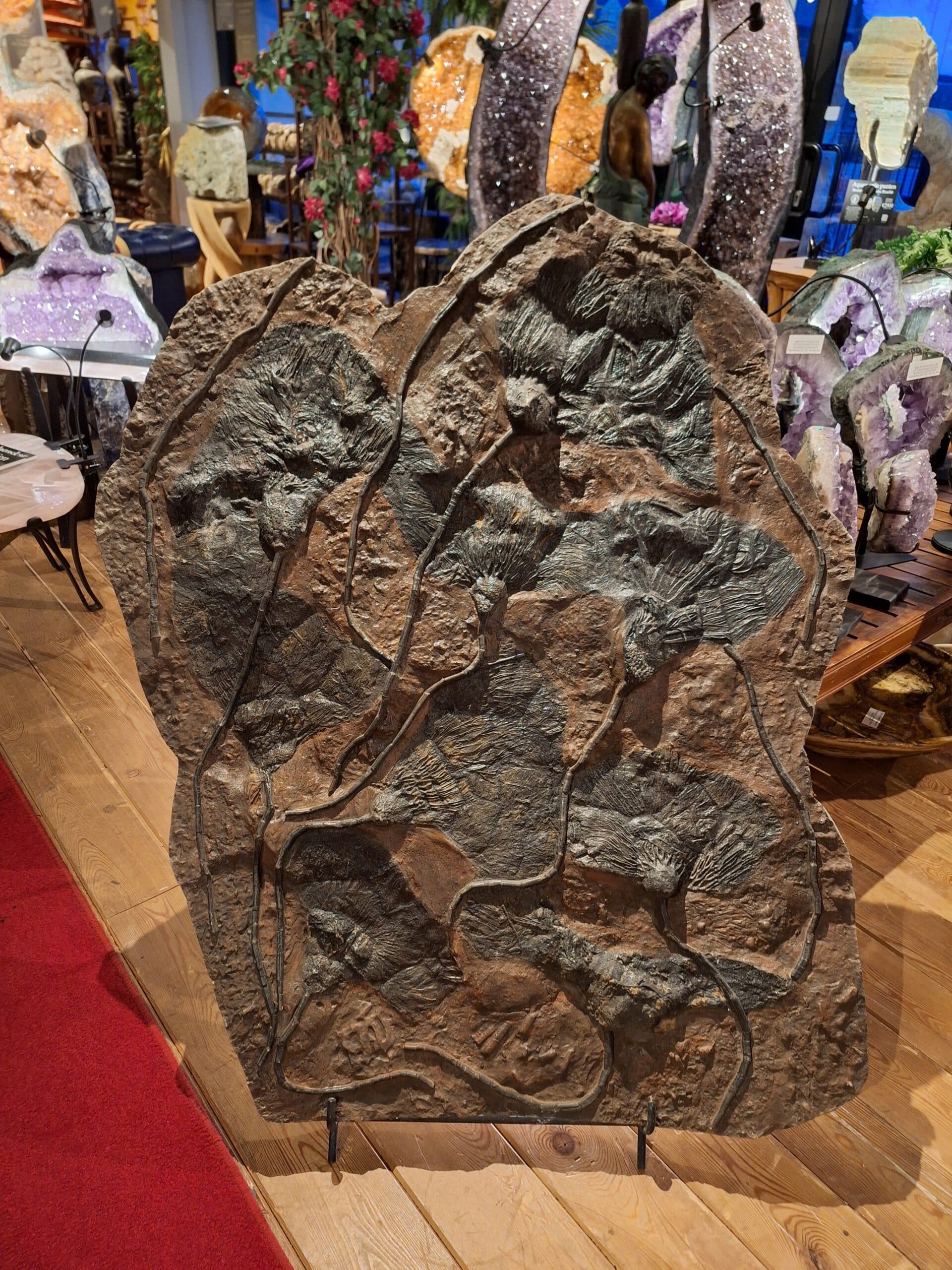
Description
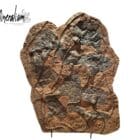
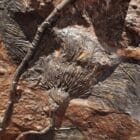
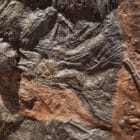
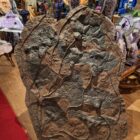
The sea lily (Crinoidea) is not a plant, but a marine animal belonging to the echinoderm group. They are found in many parts of the world, ranging from the shallow waters of coral reefs to depths of 6 kilometers. Stalked sea lilies have a calcareous skeleton and are attached to the seabed with a long, sturdy stem. When they die, they remain there, hoping for redemption. Sea lilies are at least 500 million years old. Fossil sea lilies can be found in rock formations worldwide. The fossilized stem fronds, in particular, have been discovered in numerous locations. Some fossil species are tens of meters long. The first living sea lily was collected in 1864 from the Vestfjord near the Lofoten Islands.
The term "sea lilies" suggests we're dealing with plants. However, sea lilies are part of the animal kingdom. Incidentally, sea lilies aren't the only animals whose names suggest we're dealing with plant species. In modern-day seas, we find sea anemones (such as sea roses and sea daisies), sea grapes, sea mushrooms, and sea cucumbers. These are all part of the animal kingdom. Sea lilies (Crinoidea) are part of the phylum Echinodermata. This also includes sea urchins, brittle stars, and starfish. We first encounter sea lilies in the Ordovician. They didn't truly flourish until the Silurian. They then adapted to life on the reefs. Under favorable conditions, they could occupy the seabed in large numbers. For the first time in their lives, they also played a role in the formation of rock. In the Lower and Middle Devonian of the Hunsrück and Eifel regions of Germany, several species are common. Here, they were able to create entire sea lily fields. Later, during the Carboniferous period, sea lilies migrated to the deeper parts of the sea. At the end of the Paleozoic, in the Permian period, we experienced a clear decline. This decline continued into the Mesozoic, and during the Cenozoic, in the Tertiary period, they were rarely found in sediments. A total of approximately 5,000 different species of extinct sea lilies are known.


