
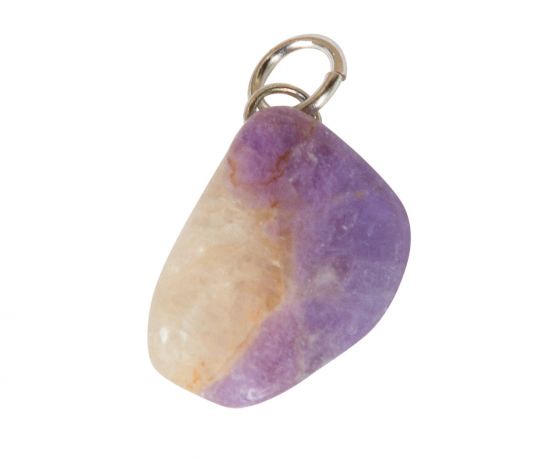
Description
The mineral sodalite is a chlorine-containing sodium aluminum silicate with the chemical formula Na8Al6Si6O24Cl2. The tectosilicate belongs to the feldspathoids. White, gray, pink, green, or azure-blue sodalite has a vitreous to oily luster, a white streak color, and poor cleavage along the crystal plane [110]. Its average density is 2.29 and its hardness is 6. The crystal system is cubic, and the mineral is not radioactive. The name of the mineral sodalite is derived from its chemical composition; the English word "sodium" means "sodium." Sodalite occurs primarily in nepheline syenites, phonolites, and other felsic silica-poor igneous and metamorphic rocks. The type locality is located in the Ilimaussaq Massif in Greenland.
Hackmanite is an important variety of sodalite. When freshly mined, hackmanite from Mont Saint-Hilaire (Quebec) or Ilímaussaq (Greenland) is generally pale to deep violet, but the color quickly fades to grayish or greenish white. Conversely, hackmanite from Afghanistan and Myanmar Republic (Burma) starts out creamy white but develops a purple to pinkish-red color in sunlight. If left in a dark environment for some time, the violet will disappear again. Tenebrescence is accelerated by the use of long-wave or, especially, short-wave ultraviolet light. Many sodalites will also fluoresce a patchy orange under UV light.


