
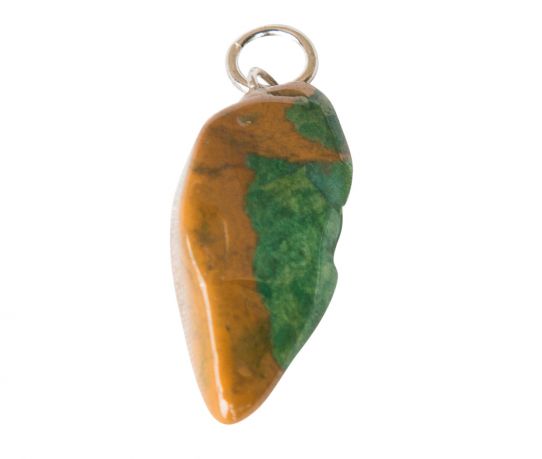
Description
Nickel is a chemical element with the symbol Ni and atomic number 28. It is a silvery-white/gray transition metal. Bronze objects containing nickel have been found in the area now known as Syria. The oldest traces of nickel's use date back to 3500 BC. Ancient Chinese writings show that nickel-bearing minerals such as nikkolite were used to give glass a green color. The red-colored nickel ore nikkolite (also: nikkolien or roodnikkelkies, NiAs) was often mistaken for copper ore. Copper is an element to which nickel has many similarities. In 1751, Axel Fredrik Cronstedt attempted to isolate copper from nikkolite. To his surprise, a silvery-white powder remained, which he named nickel, after the German word Kupfernickel. Miners used that word for the ore from which copper could not be extracted and which yielded only the unwanted nickel. Evil earth spirits, Nickeln, were held responsible. The element cobalt has a similar etymology; Here, goblins were said to perform evil magic. From 1860 onward, nickel was used for coinage alloyed with copper. The main sources of nickel are the minerals limonite, garnirite, and pentlandite. The latter occurs only in magma that rises to the surface in volcanoes. Approximately 30% of all nickel mined worldwide comes from sources in Ontario, Canada. Other sources can be found in Russia (35%; around Norilsk), Australia, Cuba, and Indonesia.


