
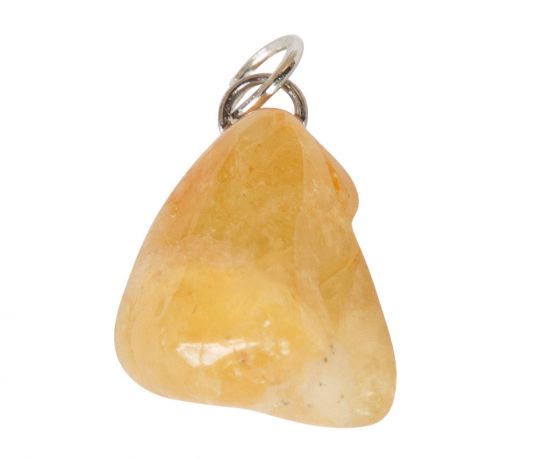
Description
Heliodore is a light yellow-green beryl. The name is Greek for gift of the sun (helios = sun; doron = gift). This variety of beryl was only discovered in Namibia in 1910. Because of its soft hues, it has always been a popular gemstone. It was first found in Namibia, near Otavi and Rossing. Heliodore from Namibia contains small amounts of uranium and is slightly radioactive. The stones also occur on the island of Madagascar, in the Miami, Bikita, and Salisbury pegmatites. Brazil is currently a very important producer of heliodore. Probably the finest and largest heliodores are from the pegmatites of the Schitomir region in Ukraine. The largest yellow-green heliodore measured 35 x 15 cm. Heliodores have also been found in the Urals (Mursinka), as well as in the Transbaikal region and in Sweden (Varuträsk). Museum collections generally contain cut stones weighing over 100 carats. The Smithsonian Institution in Washington possesses a cut yellow beryl weighing 133.5 carats and a cat's-eye heliodor from Madagascar weighing 43.5 carats. The British Museum in London holds a cut yellow heliodor weighing 82.25 carats and a Madagascar crystal measuring 27 cm in length and weighing 4 kg. The Royal Ontario Museum in Toronto has a cut yellow stone weighing 78.8 carats from Brazil.


