
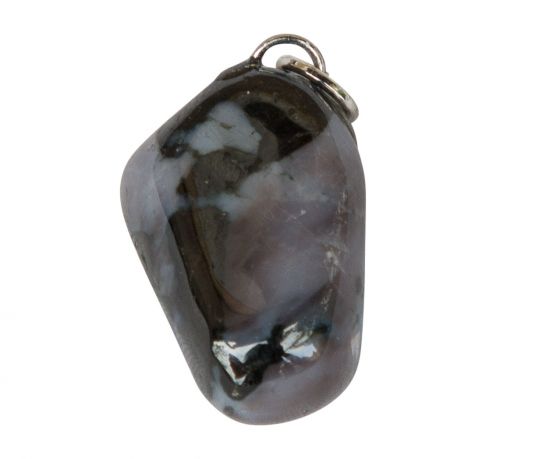
Description
Gabbro is the mafic equivalent of granite and the deep-rock equivalent of the effusive rock basalt. Due to deeper and therefore slower cooling, relatively larger crystals have formed than in the gangue rock dolerite. Minerals found in gabbro include olivine, pyroxene, amphibole, magnetite, and biotite. Feldspar (light-colored plagioclase) also occurs in the generally dark gabbro rocks. In gabbro, unlike continental rocks, no free quartz will be found. Exposed gabbro, such as in the Swiss Alps, has a rough, sandpaper-like surface. A gabbro is a very dark, almost black rock. Diorite is a deep-rock intermediate between granite and gabbro. Gabbro is a deep-rock exposed by tectonic uplift, either through orogeny or obduction. It is formed in the core of mafic volcanoes and beneath oceanic crust. In certain parts of the Swiss Alps, gabbro is clearly exposed. A type of gabbro often used as a natural stone comes from the South African Bushveld Complex. This rock was exported to Europe before World War II and is called "Rustenburg" or "Bon Accord" after the quarries. This natural stone is better known as Nero Impala.


