


Description
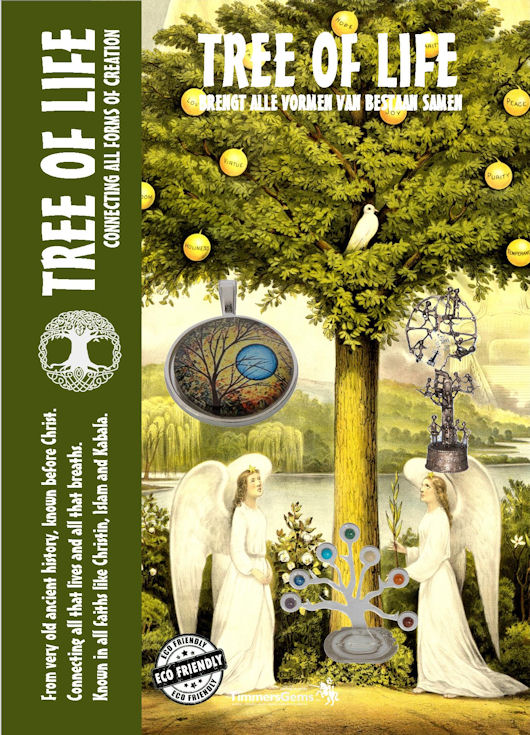
The tree from which edible olives evolved over the centuries is the subspecies Olea europaea subsp. sylvestris. Another subspecies, Olea europaea subsp. cuspidata, occurs in East Africa, with small, barely edible olives. In the highlands of Ethiopia, this African wild olive is often found in church forests, small remnants of natural forest in an otherwise often treeless landscape. Through interbreeding, there are now more than 80 varieties of olive trees. The tree initially grows relatively slowly, has a thick trunk, and long roots. Because of the root growth, a minimum distance between trees must be maintained when planting. Only after five years does the tree begin to bear fruit. Olive trees can live for many hundreds of years. Old olive trees are particularly valuable. In the Netherlands and Belgium, olives are sometimes grown as container plants. Older plants can remain in the open ground year-round in these countries. They recover quickly after a light frost.


