
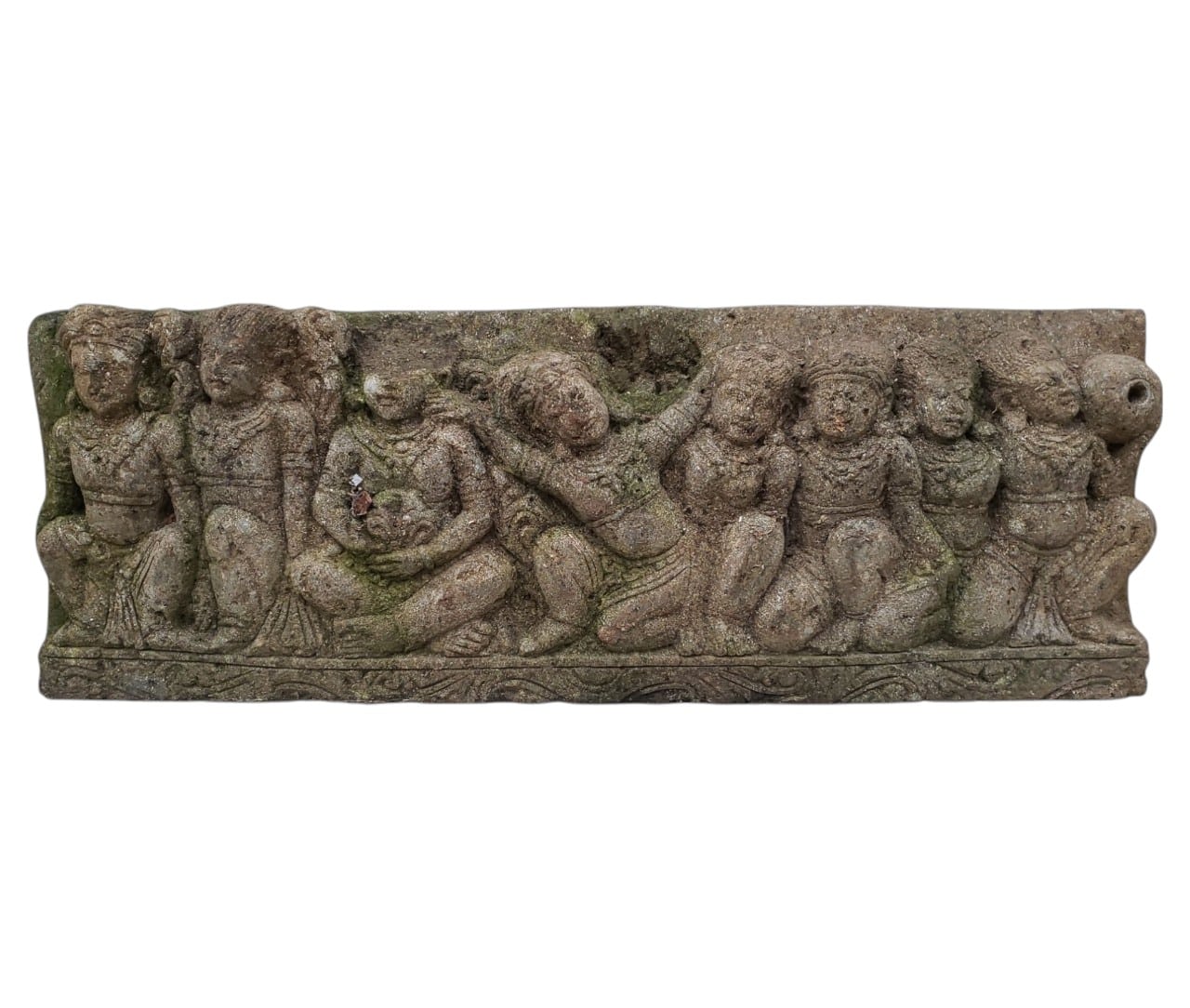
Description
Buddhism in Nepal began to spread during the reign of Ashoka through Indian and Tibetan missionaries. The Kiratas were the first people in Nepal to embrace the Buddha's teachings, followed by the Licchavis and the Newars. Buddhism is the second-largest religion in Nepal, with 8.2% of the country's population, or approximately 2.4 million people, identifying as followers of Buddhism in a 2021 census. Shakyamuni Buddha was born in Lumbini in the Shakya Kingdom. Besides Shakyamuni Buddha, there are many other Buddhas worshipped in various parts of Nepal. Lumbini is located in present-day Rupandehi District, Lumbini Zone of Nepal. Buddhism is the second-largest religion in Nepal. According to the 2001 census, 10.74% of Nepal's population practiced Buddhism, primarily Tibeto-Burman-speaking ethnic groups and the Newar. However, in the 2011 census, Buddhists constituted only 9% of the country's population. It has not been possible to determine the birth year of Prince Siddhartha, the Buddha's birth name, with certainty; it is usually placed around 563 BCE. In the hilly and mountainous regions of Nepal, Hinduism has adopted Buddhist teachings to the extent that they often share deities and temples. For example, the Muktinath temple is sacred and a common house of worship for both Hindus and Buddhists. Buddhism is currently experiencing a decline in Nepal, with the latest census indicating that 8.21% of the Nepalese population adheres to Buddhism, a decrease of 2.5% since 2001. An increase in Christianity among the indigenous population may be the cause of this decline.


