
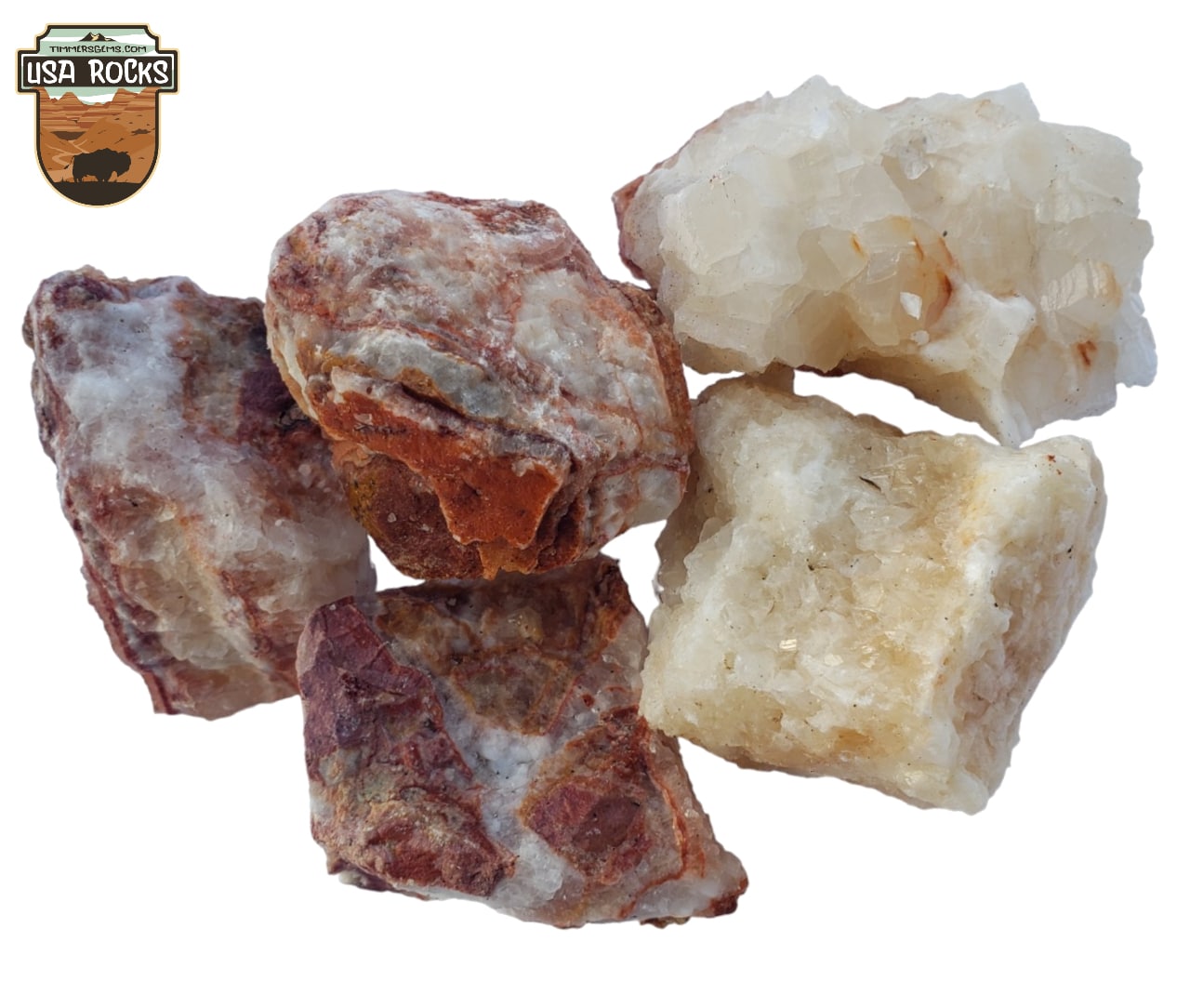
Description
Bryce Canyon is a National Park located in the southwestern United States of Utah. Bryce Canyon is famous for its unique geological rock formations. Through the combined forces of freezing and thawing, the limestone and sandstone formations are slowly eroded, forming hoodoos. These eroded peaks create beautiful formations that appear very mysterious in the sunlight. The sun creates shades of rock, ranging from pink to orange. It is part of the Grand Staircase. Hoodoos in Bryce Canyon are formed by two processes. The first, frost weathering, is particularly active in winter. Water seeps into small cracks in the rock. When the water freezes, it expands, widening the crack. The ice melts, more water flows into the crack, and the water freezes again. Cracks can become so large that chunks of rock break off. The mineral calcite (also called limespar) consists primarily of the salt calcium carbonate (CaCO3) and is one of the most common minerals in the Earth's crust. Calcium carbonate is formed when soluble calcium ions come into contact with CO2 (carbon dioxide forms a carbonate ion when a positive ion is present in a solution). This is where the second process occurs: rain carries the fragments of rock broken off by the freezing and thawing of water into cracks. Rain also contributes to the erosion of the rock because rainwater is slightly acidic. Limestone, which makes up hoodoos, dissolves in it. These processes have caused the formation of these rock formations, but will also cause their destruction. In Bryce Canyon, the erosion rate is approximately 0.6-1.3 meters per 100 years. The park takes its name from the Mormon pioneer Ebenezer Bryce, who lived at the foot of Bryce Canyon from 1875 to 1880.


