
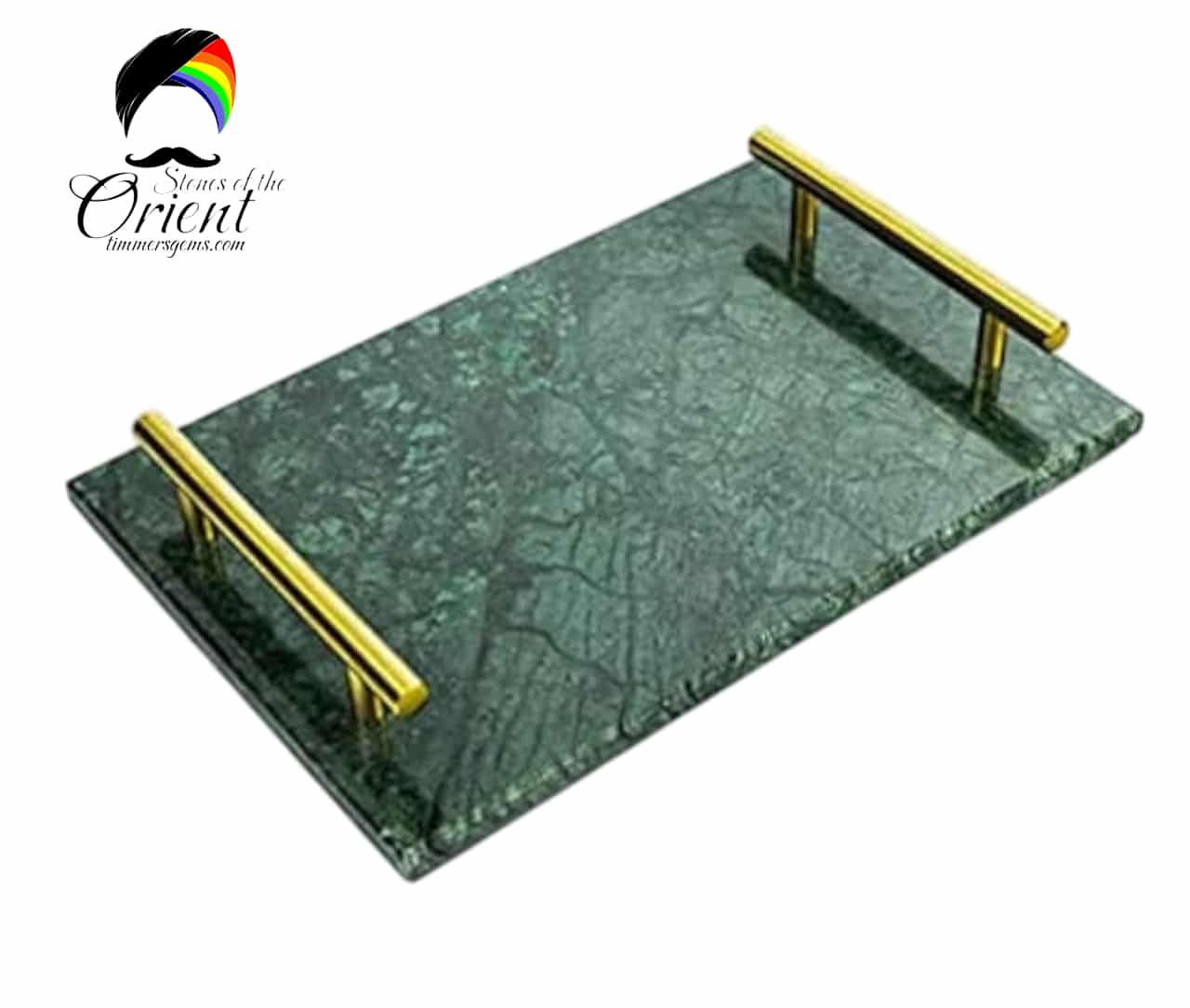
Description
Nephrite is a mineral with a dense, felted actinolite. Its chemical composition is Ca2(Mg,Fe)5[(OH,F)(Si4O11)]2. The name is derived from the Ancient Greek word nephros, meaning "kidney." Nephrite has been known since ancient times, as demonstrated by numerous archaeological finds. Its toughness makes it suitable for making tools. Later, it was used to make decorative objects. In Babylon, nephrite was highly prized because it was believed to have magical powers. In China, nephrite had great mythological significance and was used in religious ceremonies. Even before the arrival of Columbus, it was highly prized in Central America. According to the Sumerians, nephrite was capable of resolving unexpected circumstances. It was claimed to treat kidney ailments and renal colic. Nephrite is more common in nature than jadeite. It sometimes forms large blocks. In Russia, stones weighing over 5 tons have been found. A 30-ton block of nephrite has even been found in Burma. Historically significant deposits are located in China, around Khotan in the Sinkiang province, in the Kunlun Mountains, and in the vicinity of Kashgar. Cat's-eye nephrite occurs in Taiwan and Jordan. In the United States, nephrite is found in Brazil, Oregon, Utah, Wyoming, and Alaska. Significant deposits are known in New Zealand. The Māori mined nephrite before the arrival of Europeans, specifically in Arakuara and at Lake Wakapitu. These stones are translucent and considered the finest nephrite in the world. Smaller deposits have been documented in Australia, Kazakhstan, Poland, Germany, Switzerland, Italy, and Ireland.


