
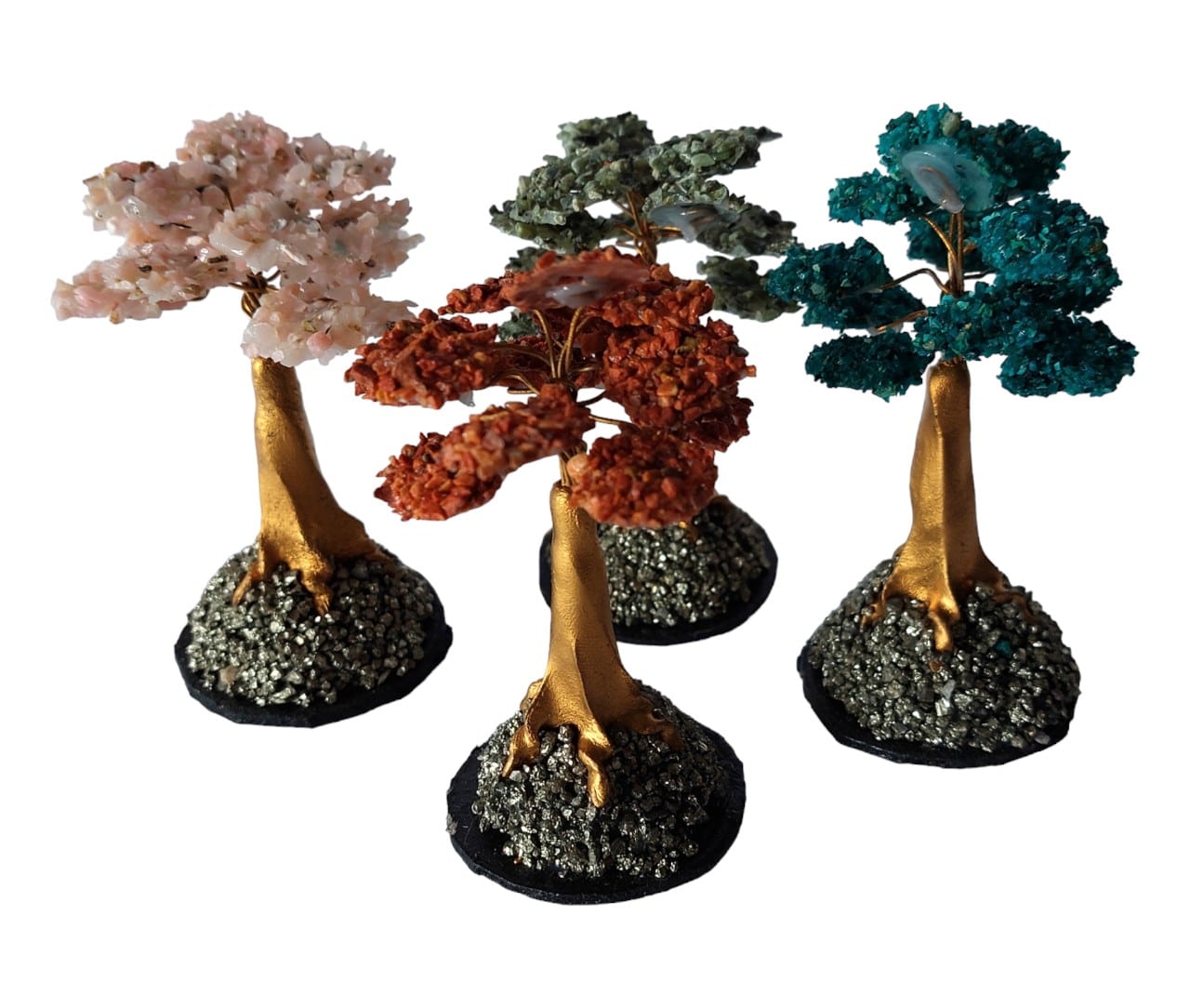
Description
Gemstones are rare minerals often used in jewelry and decorative objects. The characteristics of gemstones include beauty, such as color, luster, fire, transparency, and light effects; durability, assessed by hardness, fragility/cleavage, and chemical resistance; and rarity, based on their frequency of occurrence in nature. Gemstones can be cut in various ways, with basic distinctions between cabochon, a convex cut, and faceted, where the surface of the gemstone is ground into multiple facets. During the cutting process, properties such as color, color distribution, inclusions, special light effects, dispersion, and fracture and cutting surfaces are considered. They are thus fashioned into necklaces, earrings, bracelets, and other jewelry, and also find industrial applications. Well-known gemstones include diamonds, rubies, emeralds, sapphires, aquamarines, topazes, tourmalines, amethysts, citrines, carnelians, opals, onyxes, turquoises, lapis lazuli, and garnets. In the 18th and early 19th centuries, it was fashionable to make jewelry incorporating a person's name or initials. Gemstones were chosen based on the first letter of their name, leading to the gemstone alphabet. Acrostic jewelry, expressing sentiments with gemstones, was also created in the 19th century. The most famous example is the English "regard" ring, an engagement ring in which the word "regard" was formed by the gemstones ruby, emerald, garnet, amethyst, and diamond.


