

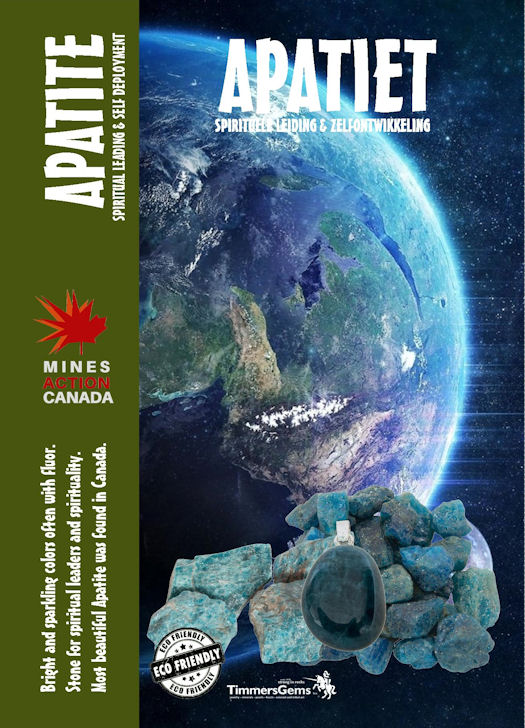
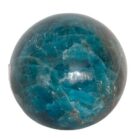
Description
Apatite is a mineral, or rather, the name for a mineral group, because the composition of apatite can vary. The general chemical formula of chlorine- and fluorine-containing calcium phosphate is Ca5(PO4)3(F,Cl,OH). The apatite series is subdivided into: Fluorapatite: Ca5(PO4)3F Chlorapatite: Ca5(PO4)3Cl Hydroxyapatite: Ca5(PO4)3OH Complete mixing occurs between the chemical end members. Fluorapatite is by far the most common, which is why apatite is sometimes used synonymously with fluorapatite. Apatite may also contain some carbonate. Furthermore, it typically contains small amounts of certain metals, including iron, manganese, magnesium, and uranium. Apatite is primarily formed in pegmatites, pneumatolites, under hydrothermal conditions, and in alluvial deposits. The mineral is very common and occurs in Burma, among other places, in the Mogok region (light blue, green, or colorless specimens), sometimes with a cat's-eye effect. Similar apatites are found in Sri Lanka; these are blue and exhibit a cat's-eye effect, while others are green and yellow. Green stones with a cat's-eye effect are found in India. Beautiful red apatites have been discovered in Pakistan, in the Nasart region. Important deposits of gemstone apatites are also known from Brazil; the stones there are blue and green, rarely light pink, as in Morro Velho. Blue crystals up to 10 cm in size occur in Urupuca, bluish fluorapatites come from Virgen da Plata, and olive-green from Campo Linda. In the US, apatites occur in Maine (violet-colored crystals up to 25 cm in size; the stones cut from them weigh up to 170 kt). Animal bone tissue consists of 70% hydroxyapatite.


